
Published 29 January 2026
Daily 8 Products Supporting Bed Sore Care
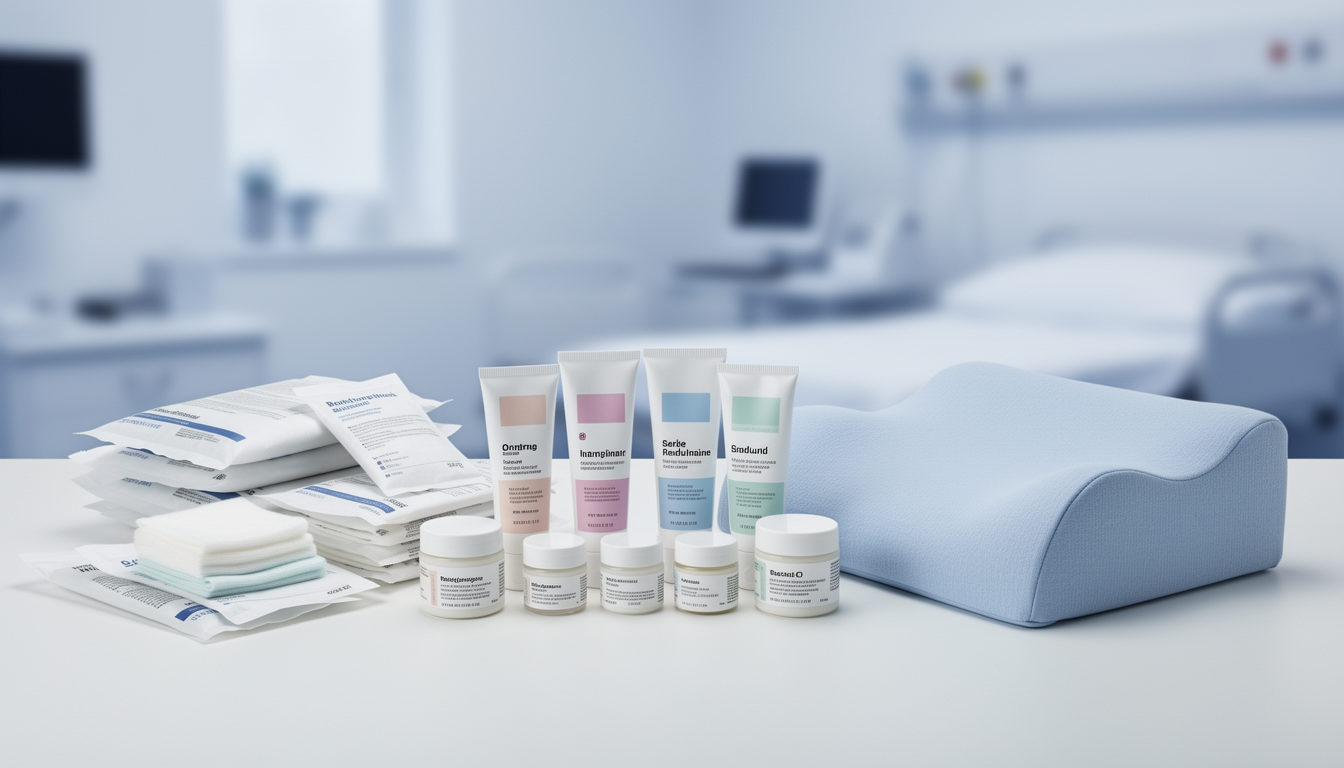
Bed sores, or pressure ulcers, pose a real risk for people with limited mobility. These focal injuries affect skin and underlying tissue after prolonged pressure, friction, or exposure to moisture, and they commonly form over bony areas such as the tailbone, hips, and heels. Managing pressure ulcers effectively calls for several strategies at once: topical care, suitable dressings, pressure redistribution, and adequate nutrition. This roundup outlines eight useful products that help prevent and manage bed sores, ease discomfort, promote tissue repair, and protect at-risk skin.
1. EMUAIDMAX First Aid Ointment
The EMUAIDMAX First Aid Ointment is a concentrated topical product intended to deliver fast symptom relief and support healing for stubborn skin issues, including pressure ulcers. It’s formulated at a higher strength than regular EMUAID to increase the potency of its active components.
Its formulation includes Emu Oil, valued for deep penetration and anti-inflammatory effects; Tea Tree Leaf Oil, which contributes antibacterial and antifungal activity; Bacillus Ferment, a postbiotic that helps balance the skin microbiome; Vitamin E for antioxidant support; and Argentum Metallicum (colloidal silver) to help calm irritation and limit bacterial presence. The ointment aims to reduce pain and inflammation, encourage repair of damaged skin, and address bacterial or fungal concerns often seen with pressure injuries. Some users report visible improvement within a day, and it’s marketed for use across age groups without known interactions with many common medications.
2. Advanced Hydrocolloid Dressings
Hydrocolloid dressings are widely used for pressure sores because their gel-forming components manage wound fluid while keeping the wound surface moist, which supports new skin growth.
They form a barrier against external moisture and contaminants, making them particularly helpful for patients with incontinence. Hydrocolloids work well on difficult-to-dress pressure ulcers and can remain in place for several days, reducing the need for frequent changes and the discomfort that can accompany them.
3. High-Specification Foam Mattresses
High-specification foam mattresses play a central role in preventing and treating bed sores by spreading pressure more evenly across the body. These reactive support surfaces allow the body to sink slightly, increasing contact area and lowering concentrated pressure on bony points.
They are recommended as a baseline option for people at risk of pressure damage. Unlike basic foam mattresses that may deteriorate, high-spec models are built to retain their pressure-redistributing qualities and help prevent the mattress from compressing flat over time.
4. Medical Grade Honey Dressings
Medical grade honey dressings use the antibacterial and healing properties of active Leptospermum (Manuka) honey. Honey has a long history in wound care, and modern dressings provide a controlled, effective way to apply it.
These dressings can help condition the wound bed by reducing swelling, lowering wound pH, and facilitating autolytic removal of slough and eschar. Research indicates honey dressings often improve healing, relieve pain quickly, and help control infection in pressure ulcers. They come in different formats to match varying levels of wound exudate.
5. Zinc Oxide Barrier Creams
Barrier creams containing zinc oxide are key for shielding skin from moisture, friction, and irritants, which is especially important for people managing incontinence. These creams form a protective layer that helps prevent breakdown, rashes, and irritation that can lead to pressure ulcers.
Zinc oxide can help reduce inflammation and inhibit bacterial growth, aiding recovery in early-stage pressure injuries. Many barrier creams also include soothing botanicals like Aloe vera to calm the skin and support its natural repair processes, making them useful for maintaining skin health.
6. Alternating Pressure Air Mattresses
Alternating pressure air mattresses are active systems that change how pressure is applied across the body. They use air-filled cells that cycle through inflation and deflation to shift pressure points continuously.
This dynamic redistribution is valuable for people at high risk of pressure ulcers or when frequent manual repositioning isn’t possible. Some users notice the alternating sensation and may need time to adjust, but these mattresses can improve circulation and reduce prolonged pressure on vulnerable areas.
7. High-Protein Nutritional Supplements
Nutrition is a major factor in wound repair, and high-protein supplements supply the building blocks needed for new tissue formation and immune support.
In addition to protein, nutrients like Vitamin C, Iron, and Zinc support collagen production, iron metabolism, and skin regeneration. Adding quality protein sources such as whey isolate and ensuring adequate vitamins and minerals can speed recovery and strengthen skin resilience.
8. pH-Balanced Incontinence Cleansers
Good skin hygiene is essential in pressure ulcer care, particularly for incontinent patients. pH-balanced incontinence cleansers gently remove soil without stripping the skin or disrupting its natural barrier.
Unlike harsh soaps, no-rinse, pH-balanced products help keep the skin’s protective acidity (around pH 5.5), lowering the risk of bacterial and fungal problems. Using these cleansers—often available as pre-moistened wipes—alongside moisturizers and barrier creams creates a routine that protects against moisture-associated skin damage and helps prevent pressure ulcers.
Key Takeaways
- Multi-faceted Approach: Effective bed sore care combines topical therapies, advanced dressings, pressure-relieving surfaces, and proper nutrition.
- EMUAIDMAX Ointment: A concentrated topical designed to ease symptoms, reduce inflammation, and address microbes using natural active ingredients.
- Specialized Dressings: Hydrocolloid and medical-grade honey dressings manage exudate, support moist healing, and offer antimicrobial benefits.
- Pressure Redistribution: High-specification foam and alternating pressure air mattresses help reduce prolonged pressure on vulnerable areas.
- Skin Protection: Zinc oxide barrier creams and pH-balanced cleansers preserve skin integrity and prevent damage from moisture and irritants.
- Nutritional Support: Sufficient protein plus vitamin C and minerals like zinc support faster wound repair and better immune function.
FAQ
What are bed sores and how do they develop?
Bed sores, or pressure ulcers, are focal injuries to skin and underlying tissue caused by sustained pressure against a hard surface. That pressure limits blood flow and the supply of oxygen and nutrients, which leads to tissue breakdown. Contributing factors include prolonged pressure, friction, and moisture, and sores often show up over bony areas.
How often should I reposition someone to prevent bed sores?
How often someone should be turned depends on their condition and the support surface in use. For people with existing ulcers or high risk, frequent repositioning is important. Clinicians commonly advise turning every two hours, or following a schedule recommended by a healthcare provider, to relieve pressure on vulnerable spots.
Using these eight products together as part of a coordinated care plan can improve outcomes for people at risk of, or dealing with, bed sores. Consult a healthcare professional to create a plan tailored to individual needs and to support the best possible healing and comfort.